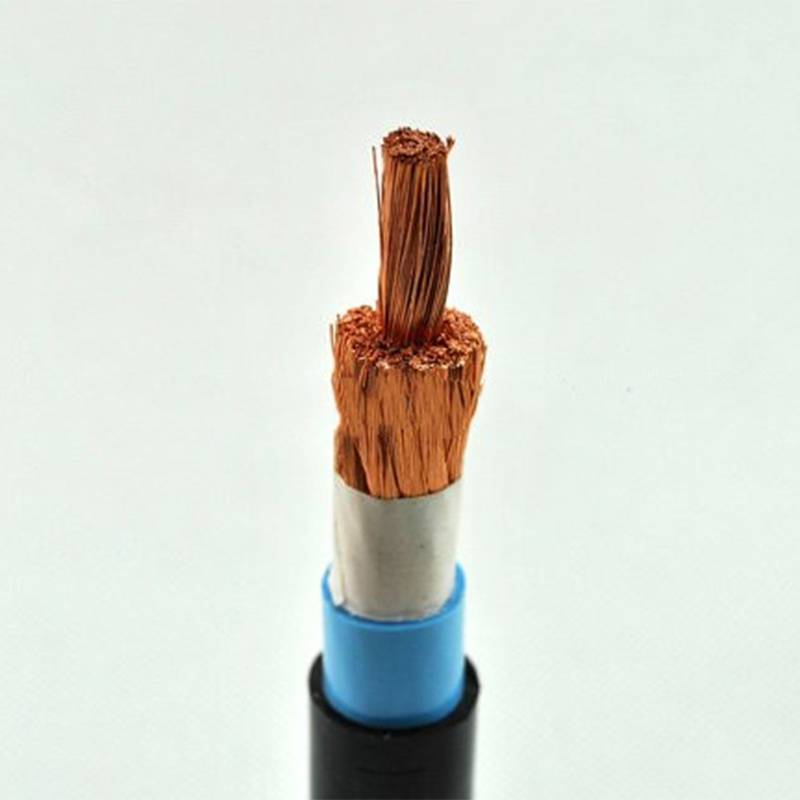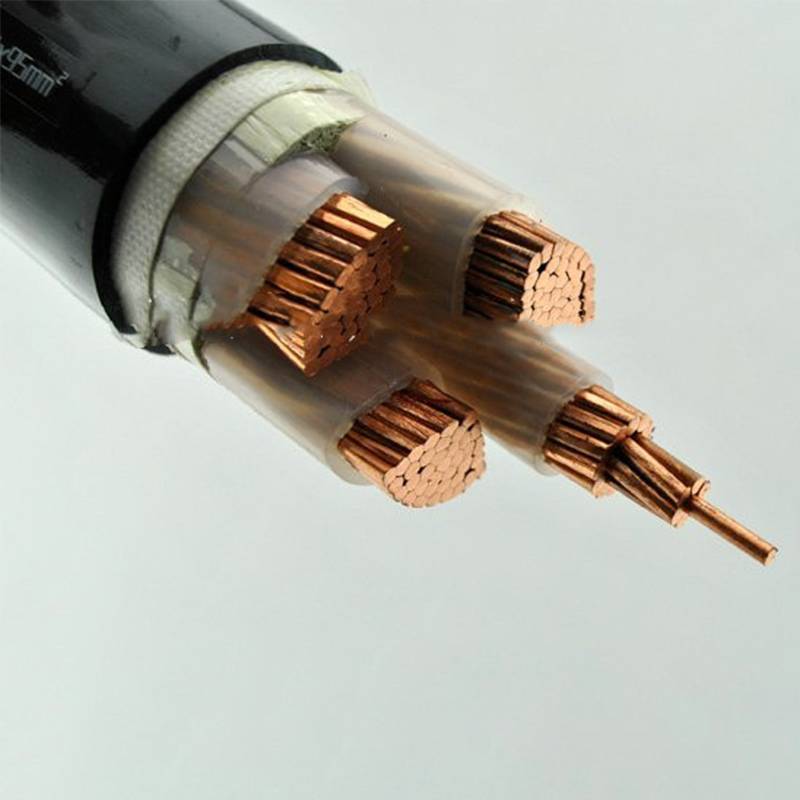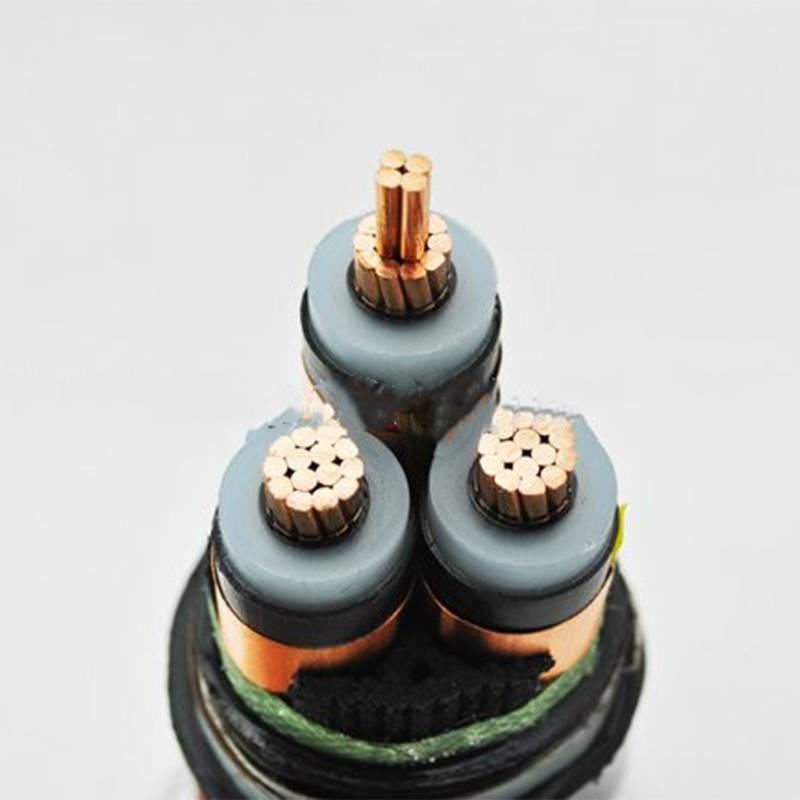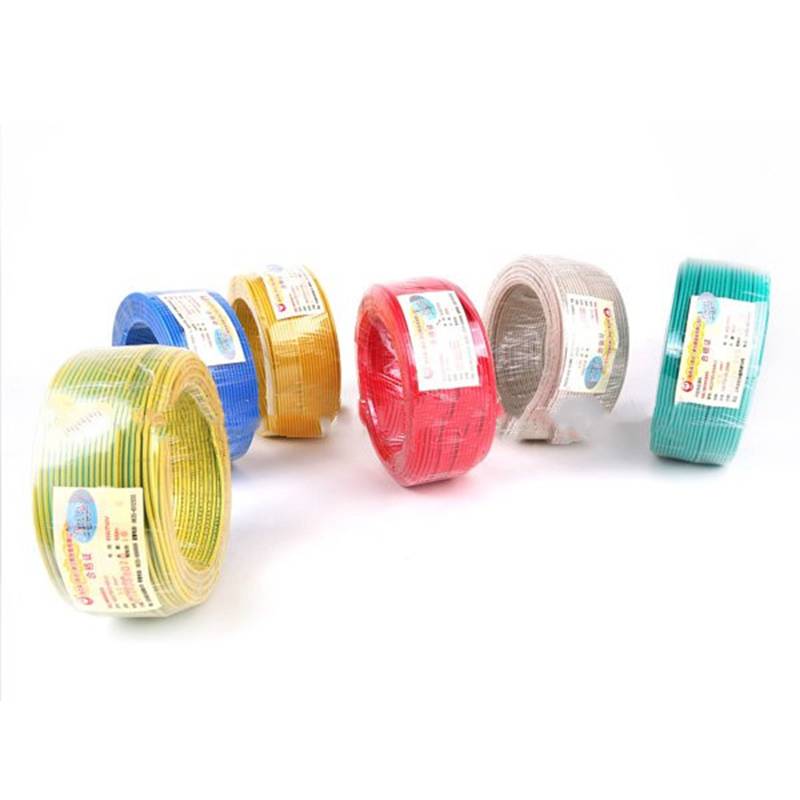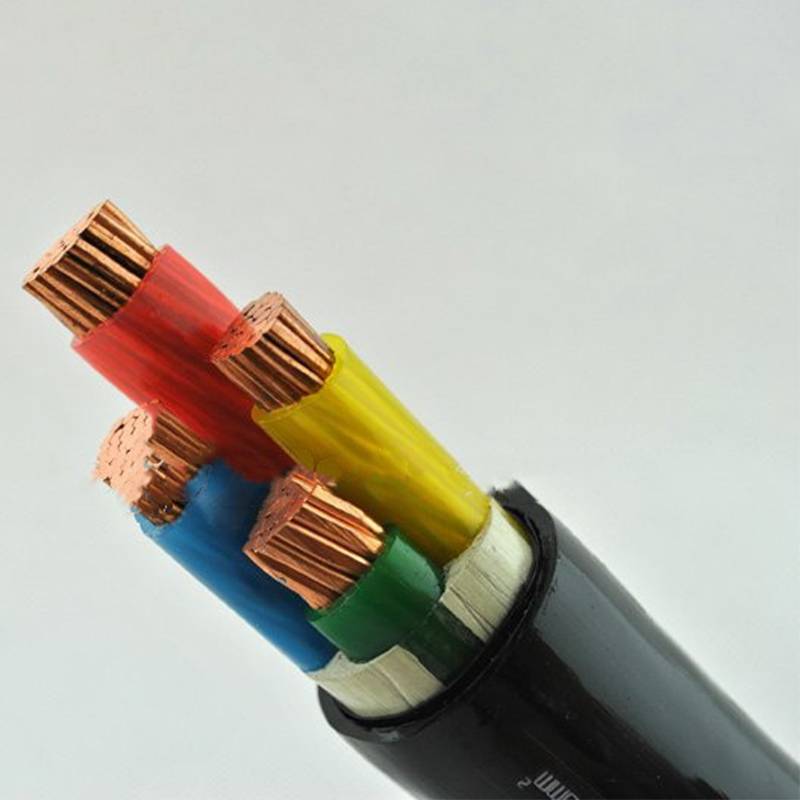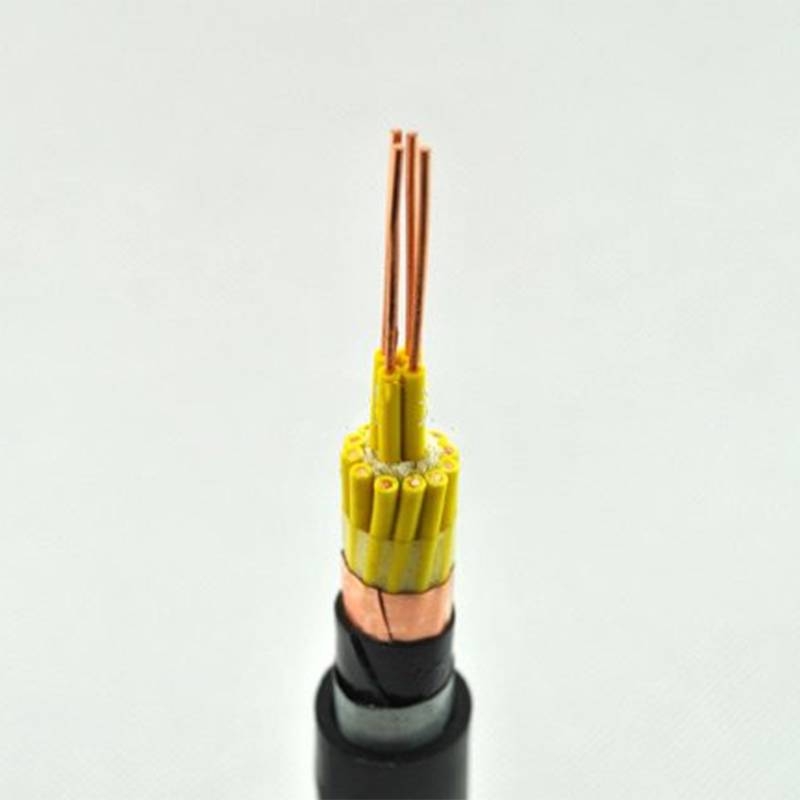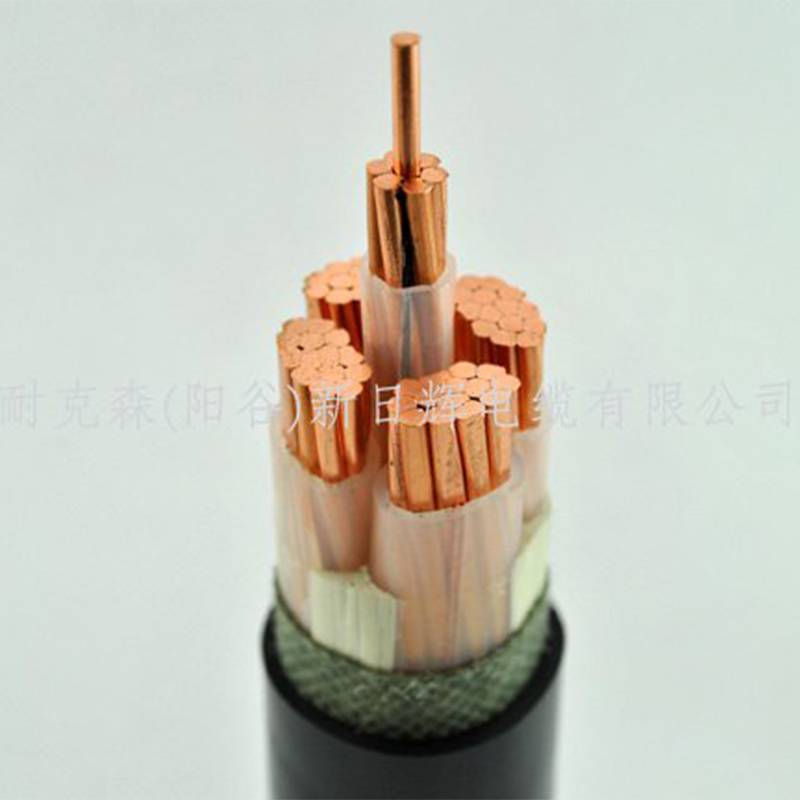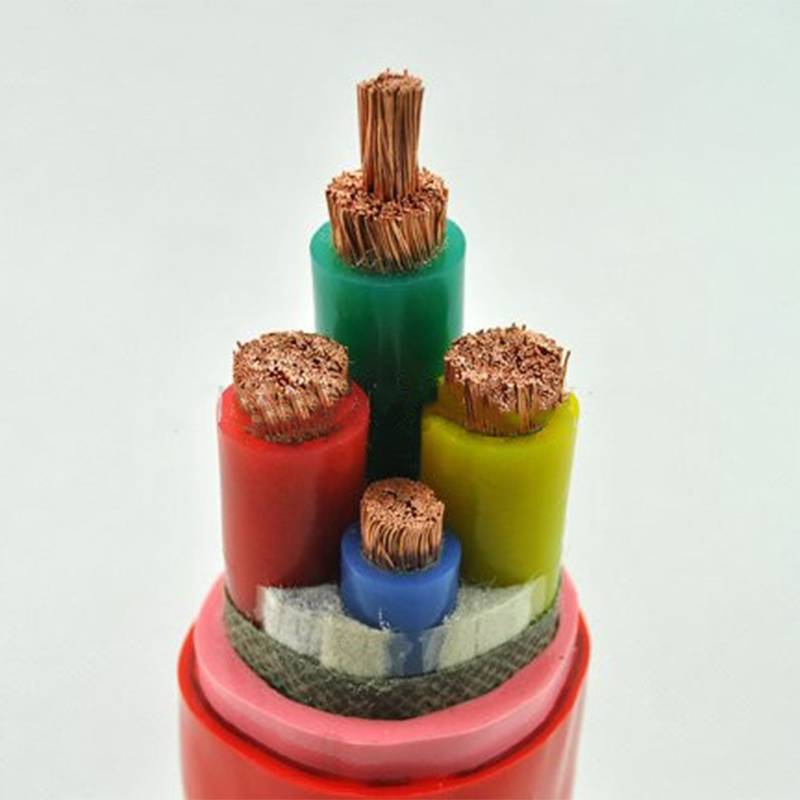
Are you in the market for high-quality aluminum alloy cable? I understand that finding a reliable manufacturer can be challenging. Our aluminum alloy cables, crafted in China, promise durability and superior performance, making them perfect for a variety of applications. With years of experience in the industry, we take pride in delivering cables that meet the highest standards. Our aluminum alloy cables are lightweight yet strong, providing excellent conductivity while minimizing weight. This makes them an ideal choice for construction, automotive, and electrical industries. When you choose us, you’re not just buying a product; you’re gaining a partner committed to your success. We offer competitive prices without compromising on quality. Let’s work together to meet your specific needs and make your projects thrive. Reach out today, and let's discuss how our aluminum alloy cable can be the perfect fit for your requirements.
In the rapidly evolving world of electrical engineering, the demand for high-performance materials is paramount. Aluminum alloy cables are emerging as the superior choice for a variety of applications, particularly as we approach 2025. These cables offer a unique combination of lightweight properties, high conductivity, and exceptional durability, making them a preferred option for global procurement managers looking to optimize their operations. The shift towards aluminum alloy cables is not just about performance; it's also driven by the need for sustainability and cost-effectiveness in manufacturing processes. As industries increasingly prioritize energy efficiency and environmental responsibility, aluminum alloy cables present a sustainable solution. Their lightweight design reduces the overall weight of power transmission systems, leading to lower fuel consumption during transportation and installation. Furthermore, the recycling potential of aluminum minimizes environmental impact, aligning with global initiatives for greener practices. For procurement professionals, investing in aluminum alloy cables is not only a strategic move for current projects but also a long-term commitment to fostering sustainable growth. Looking ahead, innovations in manufacturing techniques will enhance the performance of aluminum alloy cables, boosting their market presence. These advancements ensure that they can withstand extreme conditions and provide reliable service in various applications, from residential wiring to large-scale industrial projects. As businesses prepare to meet the technological demands of the future, embracing aluminum alloy cables positions them at the forefront of the market, paving the way for increased efficiency, reduced costs, and a commitment to sustainable practices.
| Specification | Application | Conductivity (% IACS) | Weight (kg/km) | Corrosion Resistance |
|---|---|---|---|---|
| AAAC 6201 | Transmission Lines | 61.0 | 925 | Excellent |
| AAAC 6101 | Substation Wiring | 61.5 | 1020 | Good |
| AAC 1350 | Overhead Lines | 61.0 | 805 | Moderate |
| ACSR | High Voltage Lines | 50.0 | 1270 | Good |
| Alumoweld | Communication Lines | 60.0 | 680 | Excellent |