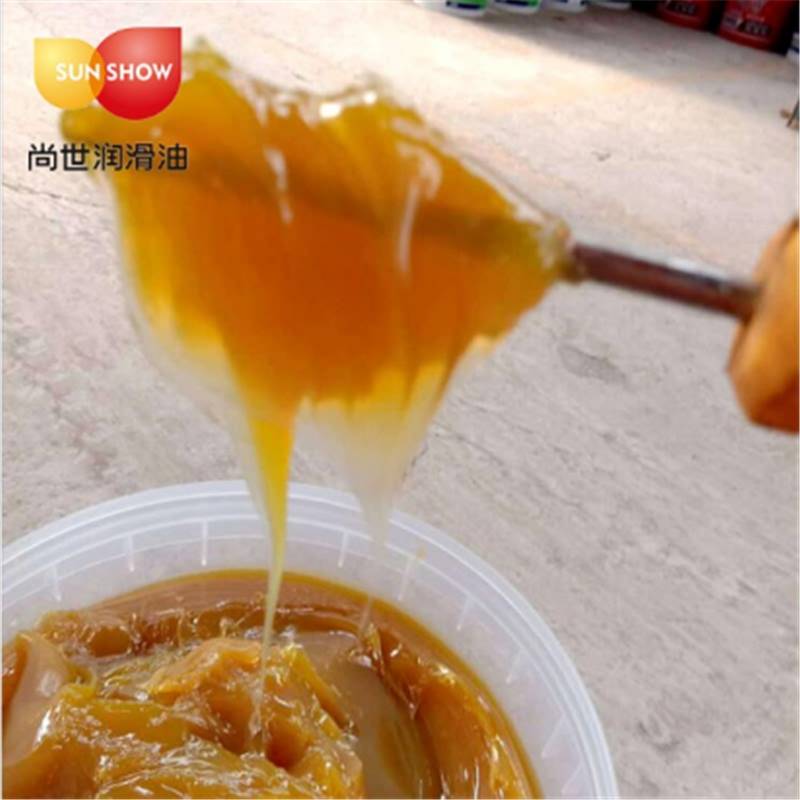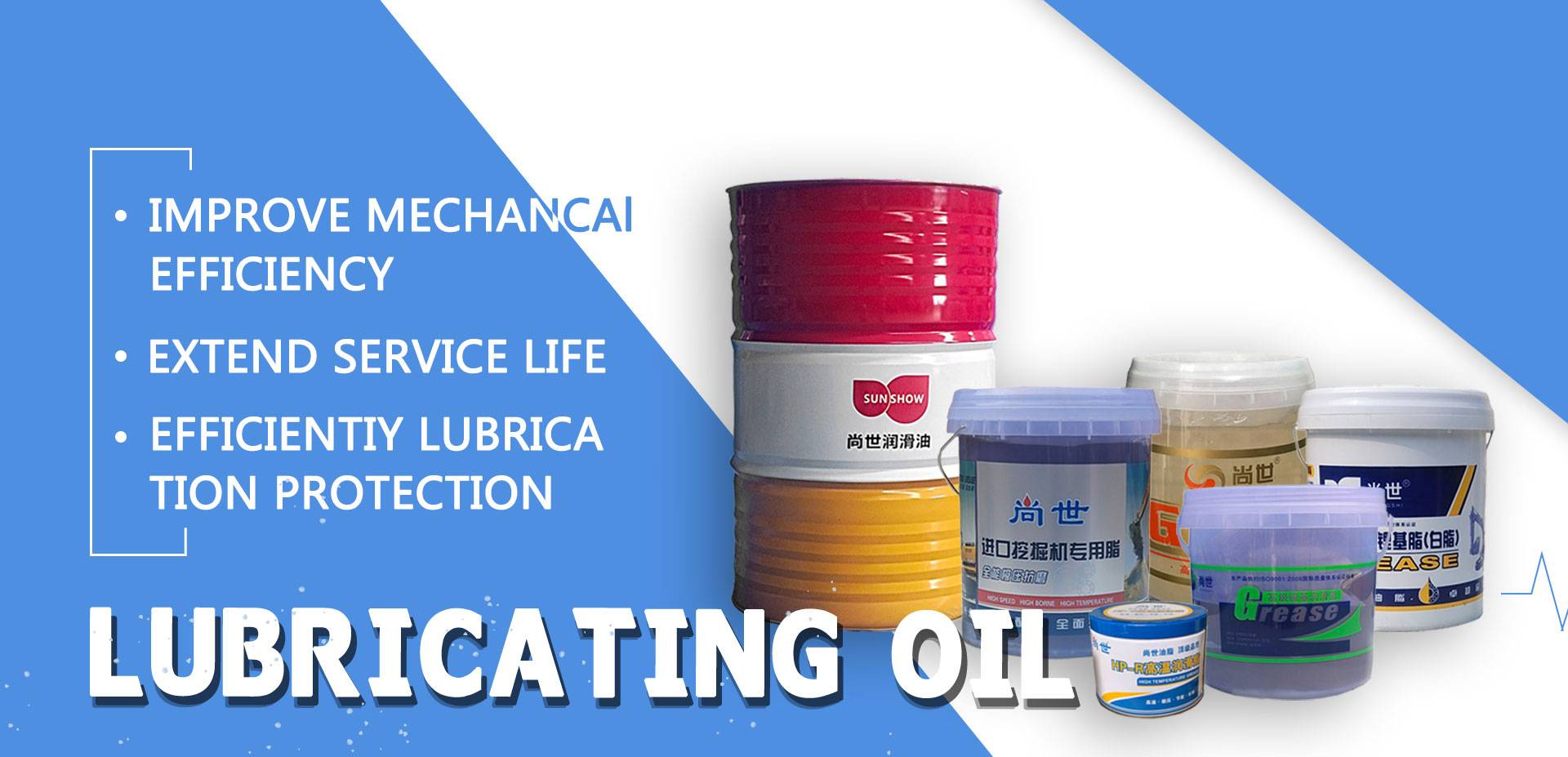
As a B2B buyer of hydraulic oil additives, I understand the importance of quality and reliability. Our hydraulic oil additive is specially formulated to improve performance and extend the life of hydraulic systems. Sourced from leading manufacturers in China, this additive ensures optimal viscosity, enhanced stability, and effective wear protection. By using our product, I can feel confident that my machinery will operate smoothly, reducing downtime and maintenance costs. The formulation not only enhances the efficiency of hydraulic fluids but also offers excellent thermal stability, making it ideal for high-pressure applications. Collaborating with trusted manufacturers, we prioritize the purity and efficacy of our additives. I believe that choosing our hydraulic oil additive is a smart decision for anyone looking to boost operational performance. Let’s work together to ensure your products meet the highest industry standards while maximizing productivity.
As the demand for high-performance hydraulic oils continues to rise globally, the role of advanced additives becomes increasingly critical. In 2025, the market landscape for hydraulic oil additives is expected to evolve significantly, driven by technological advancements and a growing emphasis on sustainability. Innovative formulations are being designed to enhance lubrication properties, reduce wear and tear, and provide superior thermal stability. These enhancements not only extend the lifespan of hydraulic systems but also improve overall efficiency, presenting significant cost savings and environmental benefits for industries reliant on hydraulic machinery. With the emergence of new regulations aimed at reducing emissions and enhancing safety standards, the importance of incorporating cutting-edge additives in hydraulic oils cannot be overstated. Suppliers and manufacturers that prioritize research and development are likely to lead the market, offering solutions that meet rigorous performance benchmarks while aligning with global sustainability goals. The integration of bio-based and biodegradable additives into hydraulic formulations reflects a commitment to environmentally friendly practices, appealing to conscientious buyers across various sectors. In this competitive landscape, global procurement professionals are tasked with sourcing high-quality additives that not only comply with international standards but also push the boundaries of innovation. Collaborating with suppliers that offer tailored solutions and deep industry expertise will be essential for businesses aiming to thrive in the hydraulic oil market by 2025. Embracing these advancements will position companies at the forefront of the industry, ready to meet the challenges and opportunities that lie ahead.
| Additive Type | Functionality | Application Area | Environmental Impact | Future Trends |
|---|---|---|---|---|
| Viscosity Index Improvers | Enhances fluid viscosity | Heavy machinery | Low | Increased use of biobased materials |
| Anti-wear Additives | Reduces wear and tear | Hydraulic systems | Moderate | Smart additives for predictive maintenance |
| Corrosion Inhibitors | Prevents rust and corrosion | Marine applications | Minimal | Nanotechnology for improved effectiveness |
| Foam Control Agents | Reduces foam formation | Industrial hydraulic fluids | Low | Eco-friendly formulations |
| Detergency Additives | Keeps system clean | Automotive hydraulics | Low to moderate | Advanced cleaning technologies |